

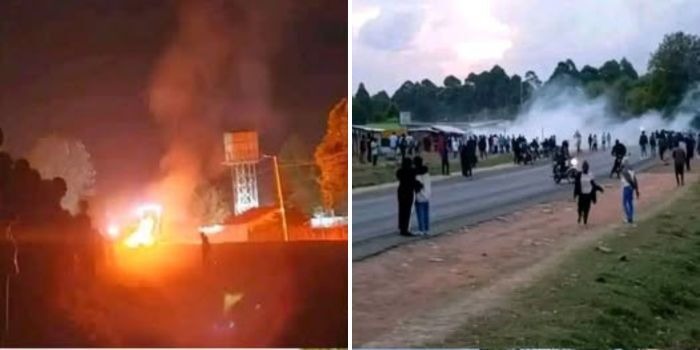
Tension erupted at Ollesos National Polytechnic in Nandi County after police intervened to disperse students protesting the disqualification of two aspirants in the institution’s student leadership elections.
According to reports, the unrest began on the evening of Thursday, February 5, shortly after the institution released a list of shortlisted candidates for the position of student president.
Of the four aspirants who presented themselves for vetting, only two were cleared to contest, triggering anger among sections of the student population.
The aggrieved students took to protests within the campus, accusing the institution’s administration of conducting a biased and unfair vetting process.
Some demonstrators claimed the disqualified candidates were deliberately locked out despite enjoying wide student support and being seen as better representatives of learners’ interests.
As the protests intensified, police officers were deployed to the institution to contain the situation, prevent disruption of learning activities, and restore calm.
Images and videos circulating on social media showed officers lobbing tear gas canisters to disperse crowds, with smoke billowing from parts of the campus.
While some reports alleged that property was damaged during the protests, other sources indicated that no serious injuries had been recorded by the time calm was restored.
The incident has reignited concerns over the rising cases of student unrest in learning institutions across the country.
Just days earlier, tension was reported at Njoro Girls High School in Nakuru County, where residents and parents staged protests following the death of a Form Four student.
That protest led to a brief standoff with police, who dispersed crowds demanding answers over the student’s death.
Reports indicated that the 18-year-old learner died at Nakuru Teaching and Referral Hospital after reportedly falling ill while at school.
The back-to-back incidents have prompted renewed calls for dialogue and transparency in school administration, particularly in handling sensitive issues such as student leadership elections and learner welfare.